-
Your Rights
Title
- About us
- Partnership
- Help


 Română
 Italiano
 Deutsch
 Français
 Nederlands
 Español
 Português
 Magyar
 Polski
 Shqip
Shqip
 Български
 Čeština
 Русский
 Dansk
Dansk
 Ελληνικά
 Lietuvių
 Македонски
 Norsk
Norsk
 Slovenščina
 Српски
 Svenska
 Հայերեն
 Eesti
Eesti
 Türkçe
 Slovenčina
 Українська
 Latviešu
 Suomeksi
- My flight was cancelled
- My flight was delayed
- I missed my connecting flight
- I was denied boarding
- My flight was overbooked
- My flight was advanced
- My flight was diverted
- About us
- Partnership
- Help
 Română
 Italiano
 Deutsch
 Français
 Nederlands
 Español
 Português
 Magyar
 Polski
 Shqip
Shqip
 Български
 Čeština
 Русский
 Dansk
Dansk
 Ελληνικά
 Lietuvių
 Македонски
 Norsk
Norsk
 Slovenščina
 Српски
 Svenska
 Հայերեն
 Eesti
Eesti
 Türkçe
 Slovenčina
 Українська
 Latviešu
 Suomeksi
- Sign In Claim compensation
Flight Overbooking FlyOne: How to Handle Being Bumped and Claim Your Compensation
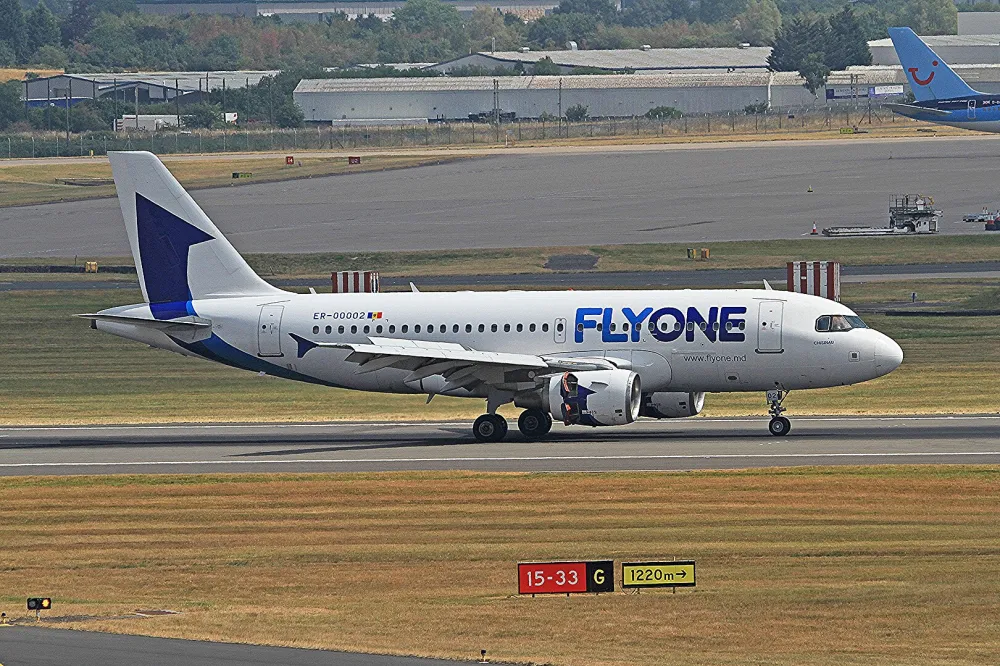
Flying can be stressful enough without hearing “Sorry, the flight is full” at the gate. Flight overbooking on FlyOne (and other airlines) is a reality that can turn your travel plans upside down. If you’ve been bumped off an overbooked FlyOne flight, don’t panic – you’re not alone, and you have rights. In this guide, we’ll walk you through why airlines like FlyOne overbook flights, what you can do if it happens to you, and how to claim the compensation you’re owed (up to €600 in some cases!). We’ll cover the European regulations (EC 261/2004) and even Moldova’s equivalent rules, since FlyOne’s home base is in Moldova. Whether you’re flying from Moldova, Romania, Italy, France, Germany, the UK, or anywhere FlyOne operates, here’s everything you need to know to handle an overbooking situation in a calm, informed way. Let’s turn this travel hiccup into a smoother experience – and maybe even get you some money back for the trouble!
Why Do Airlines Like FlyOne Overbook Flights?
Airlines overbooking flights might sound sneaky or unfair, but it’s actually a common industry practice. Overbooking means the airline has sold more tickets than there are seats on the plane. Why on earth would they do that? The simple reason: to make sure flights go out full.
Airlines (FlyOne included) know from experience that a certain number of passengers “no-show” for each flight – maybe they changed travel plans or missed a connection. Rather than take off with empty seats (and lost revenue), airlines oversell a few extra tickets. Most of the time, things work out perfectly: those extra tickets fill what would have been empty spots. This helps the airline maximize revenue and keep fares lower (in theory, at least – fuller flights mean the airline isn’t losing money on unused seats).
For a smaller, budget-friendly carrier like FlyOne, overbooking can be particularly tempting. FlyOne operates routes in competitive markets (Moldova to various European cities) and often on slim profit margins. Ensuring that each flight is as full as possible helps them stay in business and continue offering affordable fares to destinations like London, Paris, Rome, Frankfurt, etc. In fact, overbooking is legal and allowed, as long as the airline follows certain rules when they do have to bump passengers.
Of course, if everyone shows up for the flight, suddenly there are more passengers than seats. That’s when the airline has to deal with the oversale – and passengers like you might get involuntarily “bumped” (denied boarding). It’s not personal; the airline didn’t single you out – it’s basically a numbers gamble that didn’t pan out on that flight. All airlines have internal policies for whom to bump if needed (often those who checked in last, or those without seat assignments or status, for example).
The good news is that because overbooking is an accepted practice, there are strong passenger rights in place to compensate you for the inconvenience. Airlines know this, and they factor in that if they have to bump a few people and pay out compensation, it’s still worth it compared to flying half-empty planes regularly. So, while it’s understandably frustrating to be the one left behind, you’re not powerless – you have legal rights and can often walk away with a significant compensation for the trouble.
Bottom line: FlyOne (like most airlines) might overbook flights to avoid empty seats, but if you get caught in the overbooking mess, there are safeguards for you. Next, we’ll look at what your rights are when you’re bumped from a FlyOne flight and how much money you could claim.
Your Rights if You’re Bumped (EC 261/2004 & Moldova’s Rules)
Getting denied boarding because of overbooking can be upsetting, but European laws are on your side (and Moldova has similar protections too). Here’s what you need to know about your passenger rights:
🔹 European Regulation EC 261/2004: If your FlyOne flight was departing from an EU country (say, a FlyOne flight from Paris to Chișinău, or Rome to Chișinău), EU Regulation 261/2004 applies. This law covers flight delays, cancellations, and denied boarding (which includes overbooking situations) for flights leaving the EU (or arriving in the EU on an EU airline). Even though FlyOne is a Moldovan airline (not an EU-based carrier), any flight taking off from an EU member state must follow EC 261 rules. So if you were flying FlyOne out of Romania, Italy, France, Germany, the UK (back when the UK followed similar rules), etc., you’re protected under EU law.
🔹 Moldova’s equivalent legislation: What if your FlyOne flight was from Chișinău (Moldova) to somewhere else, and you got bumped? Good news – Moldova has its own regulations very similar to EC 261. In fact, Moldova’s civil aviation authority has implemented rules that mirror the EU protections for passengers. This means that even on flights departing Moldova (or on Moldovan airlines like FlyOne), passengers are entitled to assistance and compensation for denied boarding, just like in the EU. The compensation amounts and conditions are essentially the same (Moldova aligned its policy with the EU standards in this area).
So, what are your rights exactly when overbooking happens? Whether under EU261 or the equivalent Moldovan rules, you’re generally entitled to two main things if you’re involuntarily denied boarding due to overbooking:
Alternative Transport or Refund: The airline must offer you a choice between:
Re-routing you to your final destination on an alternative flight as soon as possible (either on another FlyOne flight or even on a different airline if necessary), or
Refunding your ticket cost for the part of the journey not completed. If you were in the middle of a trip (e.g., on a return leg), they should also offer a free flight back to your original point of departure if you choose the refund option.
In practice, if you still need to get where you were going, most people opt for the re-route. But if the trip is no longer needed or the offered alternative is too inconvenient, you can take the refund and make your own travel plans.
Compensation (Cash Payout): In addition to rebooking or refunding you, the airline has to pay you a set amount of cash compensation for the inconvenience. This is basically damages for messing up your travel plans. The amounts are fixed by law and depend mainly on the flight distance (and sometimes the delay in arrival if you accept a rerouting). It doesn’t matter what you paid for your ticket – these are flat compensation figures. For EU261 and the Moldovan rules, the compensation for denied boarding (overbooking) is:
€250 per passenger for short flights (under 1,500 km distance).
€400 per passenger for medium-haul flights (between 1,500 km and 3,500 km).
€600 per passenger for long-haul flights (over 3,500 km distance).
Most FlyOne routes within Europe will fall into the first two categories. For example, Chișinău to London is around 2,100 km (so that’s €400 compensation per person). Chișinău to Paris (
2,000+ km) also €400. Shorter hops like Chișinău to Istanbul (950 km) would be €250. If FlyOne were to fly a really long route over 3500 km (not common in their network), €600 would apply for being bumped.This compensation is in addition to whatever rebooking or refund arrangement you take. It’s basically cash for your lost time and inconvenience. The airline typically should give this to you in money (bank transfer, cheque, or even cash at the airport if possible). They might offer travel vouchers instead, but you have the right to insist on cold hard cash (vouchers can be offered only if you agree to them).
Note: If you volunteer to give up your seat (instead of being forced off the flight), the standard compensation rules don’t automatically apply – usually the airline will negotiate some benefit (like vouchers, miles, or a different arrangement) with you at the time. The amounts above are for involuntary denial of boarding. Also, very occasionally, if the airline manages to get you to your destination not too much later than your original arrival (within 2-3 hours, depending on flight length), they are allowed to reduce the compensation by 50%. But in most overbooking cases, you’ll experience a substantial delay, so the full amount is due.
Right to Care: While you’re waiting for that alternate flight (or for a flight home), the airline must take care of you. That means they should provide meals and refreshments, and if you’re stuck overnight, hotel accommodation and transport to the hotel. FlyOne should give you meal vouchers or arrange food, and hotel if needed. If they don’t proactively offer it, be sure to ask – it’s your right. If all else fails and you pay out-of-pocket for your own meals or hotel, keep the receipts; you can claim those expenses back from the airline later.
Information: Airlines are required to give bumped passengers a written notice explaining their rights and the compensation rules. This is often a leaflet or print-out at the airport. If FlyOne staff haven’t given you one, request it. It’s useful to have that as proof and for your own reference.
In summary, if FlyOne overbooks and you’re the unlucky one left on the ground, you should not be left stranded or penniless. You have a right to a new flight or a refund, and a chunk of compensation money for the hassle (potentially a few hundred euros per person). Knowing this, you can approach the situation with more confidence and ensure the airline delivers on what it owes you.
What to Do Immediately When You’re Denied Boarding
Finding out you can’t board your flight because it’s full is a shock – but take a deep breath. Here are the steps to take immediately if you’re denied boarding on a FlyOne flight due to overbooking:
Stay Calm and Speak to the Airline Staff: It’s normal to feel angry or upset, but try to stay polite and calm with the gate agents or FlyOne representatives. Getting worked up won’t get you on the plane, unfortunately. Ask the staff why you are being denied boarding. Confirm that it’s due to overbooking (and not, say, a documentation issue or something with your ticket). Usually, they will tell you the flight was overbooked and they had no seats left. Remain courteous but firm – you’re now going to exercise your rights.
Don’t Volunteer Unnecessarily: Often, before involuntarily bumping people, airlines ask for volunteers to give up their seats in exchange for some compensation (like a travel voucher, money, or perks). If you’re in a situation where they’re still seeking volunteers, think carefully. You do NOT have to volunteer. If you really need to get on that flight (important meeting, wedding, etc.), then definitely hold onto your booking. If you’re somewhat flexible and the airline’s offer is tempting (sometimes they might offer a few hundred euros in vouchers, a free hotel, and a guaranteed seat on a later flight), you can choose to volunteer. Just know that volunteers typically waive the standard EU261 compensation – the deal you accept replaces it. So, if you want the full cash compensation later, you actually should not volunteer and instead let them bump you involuntarily. It sounds odd, but from a purely financial perspective, being involuntarily bumped can yield a bigger payout (up to €600 cash) than volunteering for whatever smaller compensation the airline initially offers. Make the choice that’s right for you.
Request Written Confirmation of Denied Boarding: Ask the FlyOne staff for proof or a written statement that you were denied boarding due to overbooking. This might be included in the rights leaflet or a separate document. The purpose is to have something in writing from the airline acknowledging that you were bumped against your will. This can be very helpful later when you file a compensation claim – it’s evidence that you didn’t simply miss the flight, but were bumped. If they can’t give a specific letter, at least keep your boarding pass and any standby tickets or rebooking documents they issue, as these will serve as evidence.
Discuss Rebooking Options (or Refund): Talk to the airline’s customer service right there at the airport about getting to your destination. Typically, FlyOne will try to put you on their next available flight to where you were going. Find out when that is – later the same day? Next morning? A few days later? Depending on the route, FlyOne might not have daily flights, so this is important. If the next FlyOne flight is unreasonably far out, you can ask if they can book you on another airline. They might or might not agree (airlines don’t love paying for seats on other airlines, but EU rules do say “earliest possible” means they should consider other carriers if necessary). It’s worth asking: for example, “Can you arrange for me to fly with [Another Airline] today instead?” If they say no or have no decent alternative, you have the right to opt for a ticket refund instead. Choosing a refund can make sense if you decide to make your own travel arrangements (like finding a last-minute flight yourself or traveling via other means). Just be sure not to accept both a refund and a re-route – it’s one or the other. Make your decision and get confirmation from FlyOne on what they will do (rebook you on flight XYZ or issue a refund). Also, if you’re rebooked, confirm any details about lodging or food if there’s a long wait.
Insist on “Right to Care” (Meals, Hotel, Communication): While you’re waiting for a new flight, the airline should give you meal vouchers or accommodation if needed. If, say, you’re bumped and the next flight FlyOne can put you on is tomorrow, ask for a hotel night and transport to/from it, plus meals. If it’s a same-day later flight and you’re just waiting around for several hours, you should at least get meal vouchers or some refreshment. They should also allow you to make a phone call or send an email if you need to inform family or work about the change (many airlines will just let you use your own phone and reimburse, or they’ll have a courtesy phone). Don’t be shy about asking – this is part of their obligations. If no staff is actively helping with this, go to the airline’s customer service desk at the airport and request assistance for meals or hotel as applicable.
Keep All Documents and Receipts: Save every piece of paper related to this incident – boarding passes (original flight and any new one), the denial of boarding note (if given), meal vouchers, hotel receipts, taxi receipts, new flight boarding pass, etc. Also note down the flight number, date, and the names of any staff you spoke with (and maybe a summary of what they promised). This documentation will be very useful when filing a claim for compensation and reimbursement. For example, if you end up buying your own dinner because FlyOne’s desk was already closed, keep that receipt – you should be able to claim it back. If you had to book a different flight yourself, keep that receipt too (we’ll discuss later on claiming those costs, as it can be tricky but possible).
By following these steps, you’ll be in good shape to make the best of a bad situation. You’ll have secured an alternate way to get where you’re going, minimized your out-of-pocket expenses during the wait, and gathered the ammo you need to claim your compensation afterward. Remember, knowledge is power: airlines might not volunteer all this info, so being the one to bring it up shows them you know your rights.
Finding Alternative Flights and Travel Options
Being stuck due to an overbooked flight is frustrating, but one way to feel more in control is to proactively explore your alternative travel options. FlyOne should be working to get you to your destination, but it doesn’t hurt to consider other possibilities, especially if time is of the essence for you. Here are some tips for rebooking and alternatives:
✈️ Check Other Airlines: FlyOne isn’t the only airline in the sky. If your FlyOne flight is full and the next one they can offer is much later, see if another airline has a flight sooner. In many cases, other airlines fly similar routes. For example:
From Chișinău (Moldova) to European cities like London, Paris, Rome, or Berlin, carriers like Wizz Air or TAROM might have flights (TAROM connects Chișinău via Bucharest, Wizz Air has direct flights to various EU cities).
If you were flying from a city in Italy (FlyOne serves places like Parma or Bergamo) or France (Paris CDG, for instance), there might be other airlines like Ryanair, Wizz Air, Air Moldova, TAROM, or even major airlines that can get you to your destination or nearby.
From the UK or Germany back to Moldova/Romania, you could find flights on airlines such as Wizz Air or even connections through hubs with larger airlines.
Sometimes FlyOne might arrange a rebooking for you on another airline if you insist and if their own options are too slow, but often you might have to take the initiative yourself. If you do find a suitable alternative flight with another airline, you can suggest it to the FlyOne staff: “I see that [Other Airline] has a flight in a few hours – can you put me on that one?” They may or may not accommodate, but it’s worth asking. If they refuse and you end up booking it yourself, you could later try to claim the cost from FlyOne (especially if it was actually necessary to get you to your destination on time). Just be aware: officially, if you choose to buy your own replacement flight, the airline’s obligation might only be the refund of your original ticket, not the new (possibly more expensive) ticket, unless you coordinate it with them. It’s a bit of a gray area unless the airline agrees. That said, if you’re desperate to get moving, spending extra to catch another flight and then sorting out reimbursement later (or via travel insurance) might be worth it for you.
🌍 Nearby Airports Are an Option: Consider departing from or arriving at a different airport than originally planned. This is especially useful if you’re in a region with multiple airports within reach. For example:
If your FlyOne flight from Parma, Italy was overbooked and the next flight is tomorrow, see if you can get a flight out of Milan or Bologna the same day – those larger airports have more airlines and flights. It might mean a train or bus ride, but you could get to your destination hours (or even a day) earlier.
If you’re stuck in Chișinău, you might look at flights from Iași (Romania), which is just across the border, or even Bucharest. A bus or car ride to one of those airports could connect you to an earlier flight to your destination. (In fact, sometimes FlyOne or other airlines will suggest this if their own schedule is jammed – e.g., they might rebook you from Chișinău to London via a connection in Bucharest on TAROM).
If you were supposed to land in one city but there’s a flight to a neighboring city, you could take that and then use ground transport. For instance, maybe your FlyOne flight to London was overbooked but there’s a flight to Birmingham or Manchester available – you could fly there and take a train to London. Or a Paris flight is full, but one to Brussels isn’t, etc. It adds a bit of travel on land, but it might salvage your schedule.
Always weigh the cost and hassle of these alternatives. If the airline is offering to rebook you next morning and put you in a hotel for free, that might actually be less stress (and cost) than rushing to another city same day. On the other hand, if you must be somewhere by a deadline, these alternatives can be a lifesaver.
🚌 Trains, Buses, or Driving: Depending on your route, sometimes the best plan B might be ground transportation. Europe has decent inter-city train connections and long-distance buses. If your journey was relatively short (maybe a few hundred kilometers) or if flying later would actually take just as long, you could consider hopping on a train or bus to your destination. For example, if you were trying to get from London to Paris and got bumped, the Eurostar train could be an option. Or if you were heading from Germany to France and a direct flight fell through, a train might get you there almost as quickly. This really depends on where you are and where you need to go. For destinations in neighboring countries or same-region, it’s worth checking. If you do end up using ground transport because of a canceled or overbooked flight, keep receipts – you might argue for reimbursement later (especially if it was within the scope of what the airline should have provided as rerouting). However, typically the airline’s duty is to fly you or refund you, so any self-arranged trains/cars might be on your own dime unless agreed. Still, if it’s the difference between making that important event or not, it’s an option on the table.
🔄 Using the FlyOne Ticket on a Different Route: This is less likely, but sometimes airlines can re-route you through a different path on their own network. FlyOne is a point-to-point carrier mostly, without a huge network of connections, but if you were, say, flying FlyOne from city A to C with a stop in B (on separate tickets), they might reroute you differently. Or if they have a spare seat on a flight to a nearby destination to yours, they might put you there and then by ground to original. This is something their team would decide; you just need to be open to suggestions.
The key takeaway is be proactive. While the airline arranges your official solution, you can simultaneously research alternatives on your smartphone. It helps to know what other flights are departing that day, from that airport or neighboring ones. You might even find a solution that the airline folks hadn’t considered, and you can propose it.
One more tip: if you do find your own alternative travel (like you buy a train ticket or book a flight on your own), inform FlyOne that you are doing so and why. If you just disappear and go your own way, it might complicate claiming things later. Letting them know (“Since you couldn’t get me out today, I am going to make my own way to my destination and will be seeking reimbursement of these costs”) puts it on record. They may not agree on the spot, but it’s good to have told them.
In the end, the goal is to reach your destination as smoothly and swiftly as possible, overbooking or not. Between the airline’s obligations and your own resourcefulness, you’ll get there. Just make sure you also follow the next step – claiming the compensation you’re entitled to, once your immediate travel crisis is resolved.
How to Claim Compensation from FlyOne
Once the dust has settled and you’ve reached your destination (or returned home), it’s time to turn your attention to that compensation money you’re owed. Airlines don’t usually hand over hundreds of euros at the airport (unless you really push for it); more often, you have to go through a claims process afterward. Here’s how to go about claiming your compensation (and any reimbursements for expenses) from FlyOne:
1. Contact FlyOne Customer Support: The first step is to submit a claim to FlyOne for your compensation under EC 261/2004 (or the Moldovan equivalent). Check FlyOne’s official website for their procedure on compensation claims. They might have a web form specifically for EU261 claims, or they might direct you to email their customer relations department. Provide all relevant details: your flight number, date, booking reference, and explain that you were denied boarding due to overbooking. State clearly that you are seeking compensation of €X (whichever band applies for your flight) under EC 261/2004. It helps to mention the regulation so they know you mean business. Attach copies of supporting documents: boarding passes, the denial of boarding note, receipts for any expenses, etc.
2. Be Patient (but Persistent): Airlines are not always quick to pay out. You might receive an acknowledgment and then… waiting. Under EU rules, they should respond within a reasonable time, but “reasonable” isn’t defined strictly. Give them a few weeks to respond. If you don’t hear back in, say, 4-6 weeks, send a follow-up. Keep all correspondence polite but firm. Remember, FlyOne is a smaller airline, so their customer service might be swamped or slower, but don’t let it slide.
3. Escalate if Necessary: If FlyOne refuses your claim or ignores you, you have options. For EU flights, you can escalate the complaint to the National Enforcement Body (NEB) in the EU country where the incident happened (departure country usually). For example, if it was a flight out of Paris, you’d contact the French civil aviation authority’s passenger rights division. They can mediate or enforce the law. In Moldova, you’d contact the Civil Aviation Authority (CAA) of Moldova for help if FlyOne isn’t complying – they have an online complaint option too. This can take time, though, and outcomes vary. Ultimately, the final step if an airline flat-out refuses could be taking legal action (small claims court or equivalent) to enforce your rights.
All of the above can sound daunting – especially if you’re busy or not used to writing formal complaints. The good news is you don’t actually have to tackle this alone. There are services that will handle the whole process for you, which brings us to…
Get Help from Trouble Flight (No-Win, No-Fee Service)
Dealing with airlines to get compensation can be a headache. If you’d rather skip the emails, paperwork, and potential arguments, a service like Trouble Flight can be your best friend. Trouble Flight is a no-win, no-fee air passenger rights service that specializes in claiming compensation on behalf of passengers for things like overbooking, flight delays, and cancellations. Here’s how they can help and why many people use such a service:
They Handle the Claim Process for You: Instead of you writing to FlyOne and waiting, Trouble Flight’s team does it. They know exactly how to file the claim, what wording to use, and they’ll make sure it’s done promptly. If the airline tries to dodge or deny the claim, Trouble Flight knows how to push back, citing the laws and precedents. Essentially, you get to offload the bureaucratic fight to someone else.
No Upfront Costs, No Risk: Trouble Flight works on a no-win, no-fee basis. This means you pay nothing upfront, and if for some reason they don’t succeed in getting compensation, you owe them nothing. They only get paid if they win the case and get money from the airline. This is great because it aligns their incentive with yours – they’re motivated to win your case. You won’t be throwing good money after bad; there’s no scenario where you pay a fee and end up with nothing.
Transparent Commission: If Trouble Flight does succeed in getting your compensation, their fee is taken as a percentage of the payout. Specifically, they charge 25% of the compensation amount, plus VAT (Value Added Tax). So effectively about a quarter of the sum (a bit more with taxes) goes to them, and you get the rest. For example, if you’re awarded €400, their commission would be €100 + VAT (VAT varies by country, but roughly you’d keep around €300 and they’d take ~€100+). This is clearly communicated upfront. Considering you might not have gotten anything at all without their help (or you might have spent hours of your life chasing it), many find this cut quite reasonable.
Legal Action Included if Needed: Here’s a big one – sometimes airlines play hardball and only budge if taken to court. If Trouble Flight assesses that FlyOne (or any airline) won’t pay voluntarily and the case is strong, they will escalate to legal action. They work with partner lawyers to file a lawsuit or legal claim against the airline. Now, legal processes incur extra costs, but as a customer of Trouble Flight you still don’t pay anything upfront. If the case goes to court and is successful, Trouble Flight charges an additional fee (to cover the legal costs) – up to another 25% (so total commission can become up to 50% of the compensation, VAT included in that). They cap it at 50% max, so you’ll always get at least half of the awarded amount. This might sound high, but keep in mind if lawyers have to get involved, that’s an expensive process – and you likely would not have pursued it on your own. Even after a legal fight, you come away with 50% of something rather than 0%. Trouble Flight takes on the risk of losing in court too – if they lost, you wouldn’t pay anything. So you’re never out-of-pocket.
Expertise and Experience: The Trouble Flight team knows the ins and outs of EU261 and Moldovan regulations. They have experience dealing with various airlines, big and small. They’ll know if FlyOne has a pattern of needing legal push or if they usually settle, etc. This expertise means your claim is in good hands and has the best shot of success. For you, it means less stress – you don’t have to learn legal jargon or argue with airline reps; it’s handled.
Free Compensation Calculator: Not sure if you have a case or how much you might get? Trouble Flight offers a free compensation calculator on their website. You can input your flight details (route, length of delay or overbooking scenario) and it will estimate how much compensation you could be entitled to. It’s a quick and easy way to gauge the value of your claim. (Just remember, the calculator gives an estimate based on standard rules – the actual outcome might differ if there are specific circumstances, but generally it’s accurate). This tool is handy to use even if you end up claiming on your own, just to know what you should ask for.
No Hassle, No Time Wasted: Perhaps one of the biggest reasons to use a service like Trouble Flight is to save your time and nerves. Chasing an airline for money can be a slow process involving multiple emails, maybe phone calls, filling out forms, and possibly months of back-and-forth. If that’s not how you want to spend your time, you can outsource it. Essentially, you’ll sign an agreement with Trouble Flight and then they take it from there. You can sit back and let them do the boring stuff. When compensation comes through, they take their fee and send you your share. Easy.
How it works in a nutshell: You submit your case details to Trouble Flight (takes a few minutes). They assess it – if they believe you indeed are entitled (which, in an overbooking case, you likely are), they’ll take on the case. You might need to e-sign a power of attorney or assignment form so they can act on your behalf. Then you wait while they work their magic. They’ll keep you updated, and you can always ask for status. Once FlyOne pays out (or is forced to), Trouble Flight will transfer you your portion of the compensation. Done and done.
Many travelers in Europe choose this route because it makes the whole ordeal much more bearable. You’ve already been inconvenienced by being bumped; you don’t need the additional headache of fighting for the money. Trouble Flight essentially fights for you. And since they only get paid when you do, you can trust that they’ll put in the effort to win.
Turning an Overbooked Flight into a Win
At the end of the day, an overbooked FlyOne flight and the chaos of being denied boarding is not the kind of travel experience anyone wants. It can throw off your plans, cause stress, and leave you with a sour taste about flying. However, knowing your rights means that this inconvenience can at least have a silver lining. That €250, €400, or €600 compensation won’t erase the annoyance, but it sure can cushion the blow – maybe it covers the cost of your entire trip or funds your next holiday. It’s essentially the airline’s way of saying “sorry we messed up.”
Don’t hesitate to claim what you’re owed. Airlines count on a lot of people being unaware of their rights or too busy to bother filing a claim. By reading this, you’re now a step ahead – you know that overbooking is not something you just have to swallow quietly. Whether you choose to claim it yourself or let Trouble Flight handle it, the important thing is to assert your rights.
Next time you fly with FlyOne (or any airline), you’ll also be more prepared: check in early if you can (those who check in last are often the first to be bumped), and keep an eye on the gate if they start asking for volunteers – you’ll know exactly what that means. And if it happens again, you’ll go through the motions like a pro, hopefully scoring some compensation for the inconvenience yet again.
In the end, airline overbooking is a hassle, but it doesn’t have to ruin your trip. With alternative travel options and solid passenger-rights laws behind you, you can navigate the situation and come out the other side with your journey completed and a compensation payment in process. FlyOne’s overbooking issue can become your opportunity to assert your consumer rights – and maybe even pocket a bit of cash for your troubles.
Safe travels, and remember: when airlines play musical chairs with seats, make sure you don’t lose out. If you do get left standing, now you know how to turn things back in your favor. And if it feels like too much to handle alone, let Trouble Flight do the heavy lifting so you can get back to enjoying your travels. You deserve to reach your destination – and get compensated when things go wrong, without all the stress. Bon voyage, and may your future flights be smooth (and fully seated just for you)!
Read also
- Flight Delayed Timișoara
- Flight Overbooking in Grosseto – Know Your Rights & Claim Compensation
- Flight Cancelled Brussels Airlines – What To Do, Your Rights & How To Get Compensated
- Flight Delayed Brussels Airlines – What Now? Here’s What You Can Do
- What to Do If Your Flight in Stavanger Is Delayed
- How Long Can Airlines Delay Your Flight?
What our customers say about us