Air New Zealand
On this page
- Long-haul dreams and unexpected delays
- Who is Air New Zealand, and why does it matter to Europeans?
- But what if I flew
- Common disruptions that might be eligible for compensation
- What to do if your flight was disrupted
- Trouble Flight makes it easy to claim
- But isn’t it too late to claim?
- Final thoughts for European travelers flying Air New Zealand
Long-haul dreams and unexpected delays
There’s something magical about planning a journey to or from New Zealand. Whether you're flying from Europe to Auckland for a big adventure, or returning home after exploring fjords and volcanoes, the anticipation is huge. These aren’t short hops—they’re carefully planned, often with layovers, expensive tickets, and long connections.
Now imagine this: your flight is cancelled, significantly delayed, or overbooked. That long-awaited trip suddenly turns into a logistical headache. And worse? You're stuck wondering if anyone is going to take responsibility.
The good news? If your itinerary included a European leg, you may be eligible for compensation—and Trouble Flight can help you make it happen.
Who is Air New Zealand, and why does it matter to Europeans?
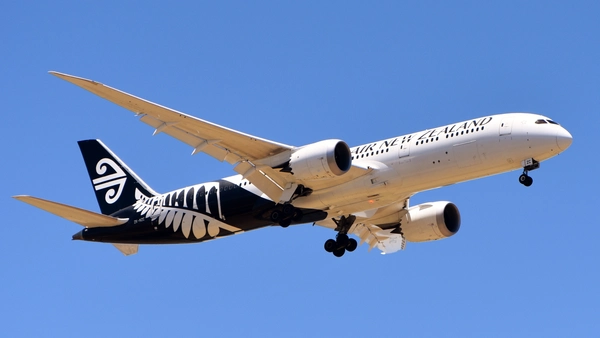
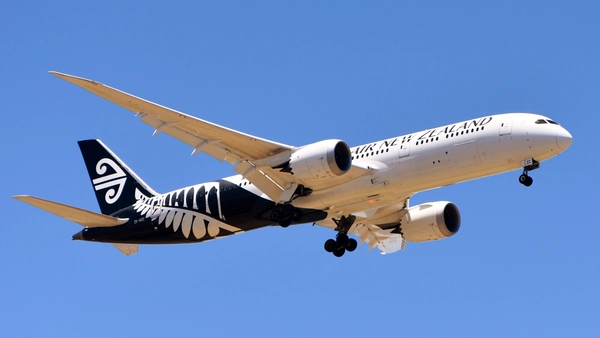
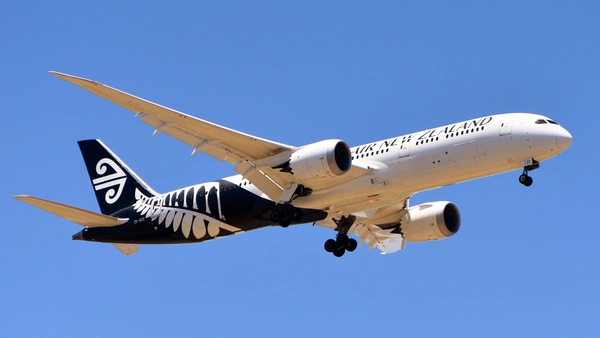
Air New Zealand is the national airline of New Zealand, known for its excellent customer service, creative safety videos, and routes that connect Oceania with Asia, North America, and Europe—often via partner airlines.
While they don't operate many direct flights to the EU anymore, many passengers fly with Air New Zealand as part of an interline journey—say, Frankfurt to Auckland via Los Angeles, or Paris to Wellington via Singapore. If the first leg of your trip was within the EU or operated by a partner airline departing from the EU, you may be protected by European passenger rights laws.
That’s where things get interesting.
Not all flights are equal under the law
Here’s the part many passengers don’t realize: you don’t need to fly with an EU-based airline to be protected under EU Regulation EC261/2004. If your journey starts in the EU, even if it’s operated by a non-European airline like Air New Zealand, you may still be entitled to compensation in the event of a major delay, cancellation, or overbooking.
Let’s break it down:
Flight delayed by more than 3 hours?
Cancelled with little notice (less than 14 days)?
Denied boarding due to overbooking, even if you had a valid ticket and arrived on time?
If yes, and the flight departed from an EU airport, you're likely covered.
Example: You booked Amsterdam to Auckland, with a stop in Los Angeles. If the Amsterdam-LA leg was delayed or cancelled, or if you were denied boarding, compensation could be due—even if the LA-Auckland portion was unaffected.
But what if I flew
to Europe from New Zealand?This is the grey area. If your first departure point was outside the EU, and you're flying with a non-EU airline, unfortunately, EU261/2004 does not apply—even if you landed in Europe.
So if your Auckland to Frankfurt flight via Tokyo was delayed, and both legs were operated by non-EU carriers, the EU protections don’t kick in. In these cases, only the airline’s own policies or international agreements like the Montreal Convention might offer support (usually for expenses, not fixed compensation).
However, if the journey started in Europe, and Air New Zealand (or their codeshare partner) got you into trouble, then you're very much in the zone of claimable compensation.
Common disruptions that might be eligible for compensation
If your Air New Zealand trip involved any of the following, don’t delete your boarding pass just yet:
Delays of more than 3 hours at arrival time from an EU airport
Cancelled flights with short notice and no valid rebooking
Overbooking that resulted in you being denied boarding involuntarily
Missed connections caused by delays in the first EU leg of your journey
These are all situations where you might be owed money—up to €600 per passenger, depending on distance.
And for these long-haul routes between Europe and New Zealand, the top-tier amount almost always applies.
What counts as “extraordinary circumstances”?
Airlines often avoid paying compensation by citing extraordinary circumstances—things like severe weather, political unrest, or air traffic control strikes. Fair enough.
But not everything qualifies.
If your flight was delayed because of a technical problem, crew scheduling error, or late arrival of an aircraft, these are within the airline’s control. That means you may be entitled to compensation.
So when you receive a vague “operational reason” message, don’t just accept it. Investigate it. That’s where Trouble Flight comes in.
What to do if your flight was disrupted
When your flight plans go sideways, it’s easy to go into survival mode. But if you want to make a claim later, here’s what to do now—or after the fact:
Document everything: Screenshots of the departure board, delay messages, or airline emails.
Keep your boarding pass and booking confirmation.
Request a written explanation at the airport if you can (some staff are helpful with this).
Save receipts for meals, hotel stays, or transport if you had to cover expenses because of the delay or cancellation.
These details can make all the difference when filing your claim.
Rerouting tips if you're stranded
If your Air New Zealand flight from the EU is cancelled and you're stuck, don’t panic. You have options—especially if you're proactive.
Ask for rerouting immediately: The airline should offer you the next available flight. If that’s not within a reasonable timeframe, you have the right to book a flight yourself and claim reimbursement later.
Consider alternative airports: Let’s say you were flying from London to Auckland via Los Angeles. If your flight is cancelled, there may be options out of Manchester or Paris within hours.
Get to your final destination: Even if it means flying with another airline and catching a train for the last stretch. Save the receipts and documentation.
Trouble Flight makes it easy to claim
You’re not expected to be a lawyer or aviation expert. But that doesn’t mean you should walk away from what’s rightfully yours.
Trouble Flight exists to help passengers like you. Whether it’s a 4-hour delay in Frankfurt, a last-minute cancellation in Vienna, or a denied boarding experience in London, we know the law and how to use it.
Here’s how it works:
Submit your flight details using our Compensation Calculator
We analyze your eligibility, prepare the documents, and chase the airline
You pay nothing unless we win your case
– We take 25% + VAT if we succeed
– If legal action is needed, 50% including VATIf we don’t win, you owe absolutely nothing
This means zero risk, no bureaucracy, and no long-winded back-and-forth emails with airline customer service.
But isn’t it too late to claim?
Not necessarily. In many European countries, you can claim compensation up to 3 years after the disruption happened.
So even if your flight with Air New Zealand went wrong last summer or even two years ago—check it anyway.
Your compensation might still be waiting for you.
Compensation isn't about revenge—it’s about fairness
Let’s be clear: airlines don’t delay or cancel flights for fun. But when they do—and it’s their fault—they have a legal obligation to make things right.
That’s not being demanding. That’s just fairness.
If your train is cancelled, you get a refund. If your hotel closes for the night, you get moved. Why should it be different with flights?
Especially when we're talking about hundreds of euros, lost connections, and missed life moments.
Final thoughts for European travelers flying Air New Zealand
You might have booked Air New Zealand for its friendly service, smooth long-haul experience, or exotic destination. And most of the time, they deliver.
But when they don’t—and your journey involves Europe—you might have more rights than you think.
And those rights include financial compensation for long delays, cancellations, or being bumped from your flight.
Don’t guess. Check your flight. Use the Compensation Calculator, upload your details, and let Trouble Flight take it from there.
You might be entitled to €600 per passenger. That’s not just a refund—it’s a reminder that travelers matter too.